
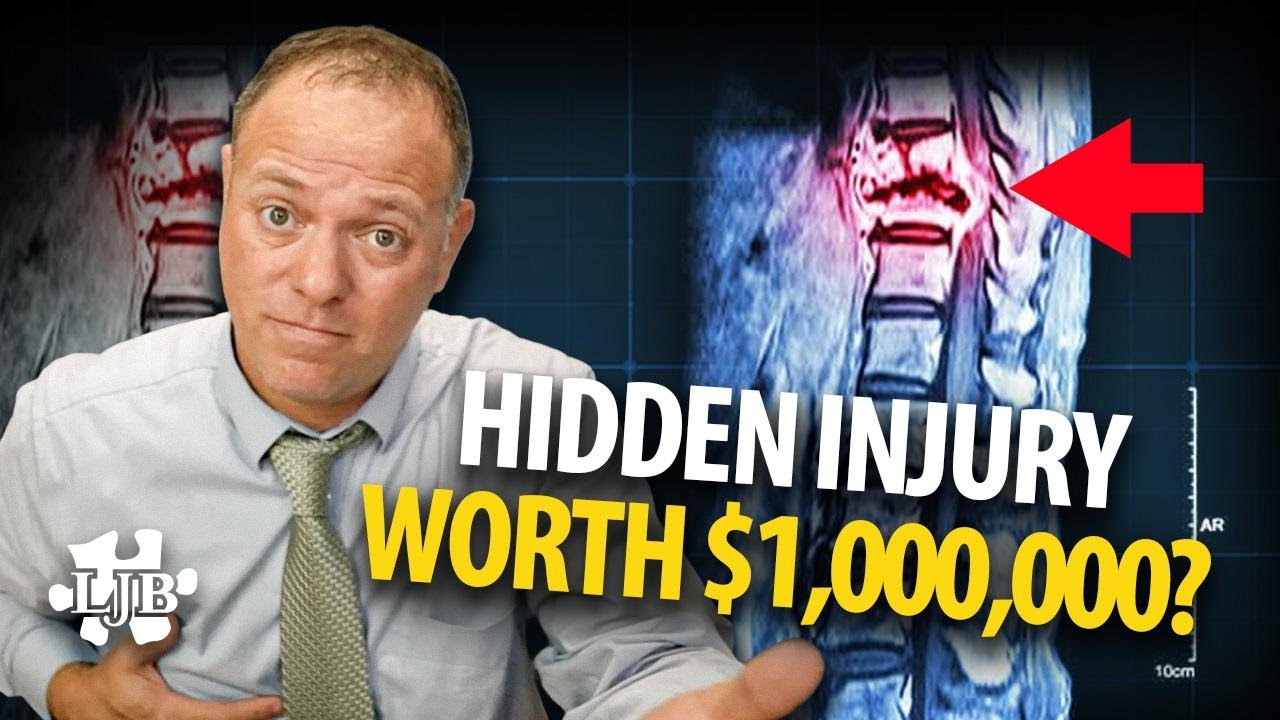
If you were recently in a crash and walked away feeling “fine,” you’re not alone, but that doesn’t mean you weren’t injured. Yes, it is very common for injuries to go undiagnosed immediately after a car wreck. Car accident injuries often appear days or even weeks after the crash. Adrenaline and shock can temporarily block pain, hiding symptoms of serious issues like whiplash, concussions, or internal injuries. It’s critical to seek medical attention early, even if you feel fine, to detect hidden injuries and protect your legal claim.
Why Don’t Some Car Accident Injuries Show Up Right Away?
After a crash, your body releases adrenaline. This hormone helps you respond to danger, but it also blocks pain signals. Many people feel okay right after a wreck, only to notice pain or symptoms hours, days, or even weeks later. Hidden issues like internal bleeding, soft tissue damage, or whiplash often take time to develop and may be overlooked without early medical evaluation.
- Adrenaline and Shock: These hormones can mask pain and make you feel better than you actually are.
- Delayed Symptoms: Injuries like internal bleeding or soft tissue damage take time to show signs.
- Masking Effect: A major injury (like a broken leg) might distract you from a serious but less obvious injury (like whiplash or a neck injury).


What Are the Most Common Injuries That Go Undiagnosed After a Crash?
Some injuries don’t show up on a basic exam or initial X-rays, even if you went to the ER or saw a doctor right after the crash. The most common undiagnosed crash injuries include whiplash, concussions, internal injuries, soft tissue damage, and shoulder injuries such as torn rotator cuffs caused by seatbelt forces during a collision.. Symptoms like neck pain, dizziness, or abdominal discomfort may appear days later and are often missed during early evaluations. These types of injuries usually require follow-up care or advanced imaging like an MRI to be properly diagnosed and treated.
Without the right follow-up care, these injuries might be missed entirely:
- Whiplash: Neck pain, stiffness, and reduced motion may not appear for several days.
- Concussions and Brain Injuries: Headaches, confusion, or dizziness might take time to develop.
- Internal Injuries: Signs like abdominal pain, fainting, or dizziness may be delayed but can signal internal bleeding.
- Torn Rotator Cuff Injuries: Shoulder injuries caused by seatbelt forces during a collision may not be diagnosed right away. Pain, weakness, and limited range of motion often develop over time. Learn more about rotator cuff injuries after a car wreck.
- Soft Tissue Damage: These injuries to muscles and ligaments often don’t show up on X-rays and require further testing like an MRI.


We DO THE RIGHT THING
The correct choice – always – is to do the right thing.
FREE Confidential Case Review (985) 240-9773What Are the Delayed Injury Symptoms After a Car Accident?
Many serious injuries don’t appear right away. As adrenaline fades, hidden injuries can start to cause pain or other symptoms. Common delayed injuries after a car wreck include whiplash, concussions, internal bleeding, and soft tissue damage. Catching these symptoms early is important, not just for your health, but also for protecting your personal injury claim.
If you notice any of the following symptoms in the hours or days after a crash, get medical help immediately:
- Headaches and Dizziness: These symptoms may point to a concussion, whiplash, or other brain trauma, especially if they worsen over time.
- Neck and Shoulder Pain: Stiffness or reduced movement could be signs of whiplash that didn’t show up at first.
- Back Pain: Pain or numbness in the back may mean spinal disc injuries or vertebrae damage.
- Numbness and Tingling: A pins-and-needles feeling in your arms or legs can suggest nerve damage or spinal cord issues.
- Abdominal Pain or Swelling: These can be signs of internal bleeding or injury to internal organs, which may not be visible right away.
- Cognitive and Emotional Changes: Trouble focusing, memory problems, mood swings, or anxiety may point to a concussion or even PTSD.
Getting checked out by a doctor early helps document these symptoms and connect them to the accident. This not only protects your health but helps strengthen your case by showing the true impact of the crash.


We ARE TRANSPARENT
We don’t play games and we don’t hide the ball.
FREE Confidential Case Review (985) 240-9773What Do Local Experts Say About Hidden Injuries After a Car Accident?
As Louisiana personal injury lawyer Loyd Bourgeois explains in an episode of Loyd’s Legal Insights, hidden injuries are something he sees often. Dr. Mitchell Brien, a chiropractor in Luling, Louisiana, shared that even some fractures don’t appear on early scans. Soft tissue injuries can take time to develop and often require advanced imaging like an MRI to fully understand the damage.
Dr. Brien noted that many patients return weeks after an accident with new symptoms like tingling, numbness, or shooting pain. These symptoms may signal disc herniations or nerve involvement, which often go unnoticed without the right testing and follow-up care.


We ARE COMPASSIONATE
Emotionally intelligent listeners with positive attitudes.
FREE Confidential Case Review (985) 240-9773Why Should I See a Doctor After a Car Accident, Even If I Feel Fine?
You should see a doctor right after a car accident because serious injuries like whiplash or brain trauma may not show symptoms immediately. Adrenaline can mask pain, and early medical documentation is vital for insurance and legal claims. Prompt care also helps prevent long-term health complications.
Even if you feel okay, seeing a doctor right after a crash is critical. It helps you:
- Catch injuries before they get worse
- Document symptoms for your personal injury claim
- Protect your health and your legal rights
Why Do So Many People Delay Reporting or Treating Their Injuries?
Many people delay treatment after a car accident because they hope the pain will fade and want to avoid missed work, medical bills, or appointments. This delay can weaken injury claims or result in accepting low settlements, making it harder to prove the accident caused their condition.
Insurance lobbyists often push the idea that people exaggerate or fake injuries after a crash. But in our experience at LJBLegal, the opposite is usually true. Most people try to tough it out. They say they’re “fine” and keep pushing through the pain.
Why? Because life doesn’t stop after a wreck. People have jobs. They have children to care for. They hope the pain will fade and they won’t have to deal with medical bills, missed work, or the hassle of appointments. So they wait. And unfortunately, that delay can hurt them later.
By the time the pain becomes too much to ignore, one of two things has often happened:
- They’ve already accepted a low settlement that doesn’t come close to covering their medical costs or lost wages.
- So much time has passed that it becomes harder to prove the injury was caused by the accident.
If this sounds familiar, know that you’re not alone.
If you haven’t settled the bodily injury portion of your claim, it’s not too late to ask for help. But the sooner you seek medical care and speak with an attorney, the better your chances of recovering the compensation you need and deserve.
How Can Undiagnosed Injuries Affect My Personal Injury Case?
Undiagnosed injuries can harm a personal injury claim by creating doubt about causation and severity. Insurers may argue the injury is unrelated, pre-existing, or exaggerated due to delayed treatment. Without prompt medical documentation, proving the accident caused the injury and securing fair compensation becomes significantly more difficult.
If your injury doesn’t show up right away, insurance companies may try to use that against you. They may argue:
- You had a pre-existing condition
- The injury didn’t happen in the crash
- You’re exaggerating or faking the injury
This is where the law protects you. Thanks to the eggshell skull rule, you can still recover damages even if your condition was made worse by the crash. But to do that, you’ll need clear and complete medical records that show how your condition changed after the accident.
What Evidence Do I Need to Prove a Hidden Injury?
To prove a hidden injury after a car accident, gather immediate medical records, diagnostic imaging (MRI, CT scans), and detailed doctor notes linking the injury to the crash. Support your claim with a pain journal, vehicle damage photos, witness statements, and documentation of lost wages due to medical treatment or pain.
- Causation: Medical records must show that the accident caused or worsened the injury.
- Eggshell Skull Rule: The law says the at-fault party is responsible for all harm caused, even if you were more vulnerable than most.
- Documentation: Getting care right away helps create a before-and-after picture that strengthens your case.
- Credibility: Failing to report or treat injuries early can hurt your case later if the insurance company claims you’re being dishonest.
How Can LJBLegal Help After a Crash With a Delayed Injury?
At Loyd J Bourgeois Injury & Accident Lawyer (LJBLegal), we know how often injuries go undetected after a crash. Our team works with local medical experts, like Dr. Brien, to make sure nothing is missed and your case is built on strong evidence from the start.
If you were hurt in a car crash in Louisiana, call us today at 985-240-9773. Injury consultations are free, and you’ll talk directly with our team. We’re here to help you heal and fight for what’s right.
Your injury might not have shown up right away, but with the right care and legal support, you don’t have to suffer in silence or settle for less.
Yes! I want a free case evaluation.
| Related Links: |