


After a car accident, many people know they are hurt but still hesitate to get medical treatment. Maybe you’re worried about missing work. Maybe you don’t have transportation. Maybe you’re concerned about medical bills, or you simply hope the pain will go away on its own. If that sounds familiar, you’re not alone.
At Loyd J Bourgeois Injury & Accident Lawyer (LJBLegal), our Louisiana car accident lawyers hear these concerns almost every day. We understand why people hesitate. Life doesn’t stop after an accident. Bills still need to be paid. Families still depend on you. But not getting treatment or stopping treatment too soon can hurt both your recovery and your personal injury claim.
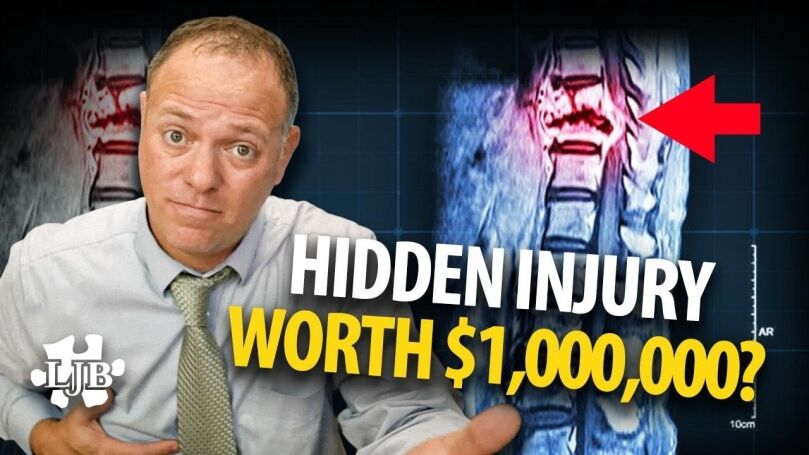
Over the years, we’ve represented thousands of injured people, and we’ve seen the same pattern over and over. People avoid treatment because they think they’ll get better, they can’t miss work, or they worry about the cost. Unfortunately, many later discover that not getting adequate treatment hurt both their recovery and their claim. That’s why we wrote this guide.
Our first priority is always your health. Financial recovery comes second. The two are connected more closely than most people realize.
In most personal injury cases, medical treatment is what allows us to prove both that you were injured and how those injuries affected your life. Without medical records, there is often little evidence for us to present to the insurance company. As a result, many cases with no medical treatment have little or no recoverable value, even when the other driver was clearly at fault.
Why Does Medical Treatment Matter So Much After a Car Accident?
Medical treatment is the backbone of your case.
Many people worry that seeing a doctor means they’re making a bigger deal out of the accident than it really is. In reality, getting evaluated simply helps you understand whether you were injured and, if so, what treatment is appropriate.
Insurance companies do not simply take your word that you’re injured. They look at your medical records to understand:
- What injuries you suffered
- How serious those injuries are
- What treatment your doctors recommended
- Whether you followed medical advice
- Whether your injuries continue to affect your daily life
Your records tell the story of what you’ve been through.
Those records do much more than identify your injury. They show how your injury affected your life over time. Insurance companies often focus on whether you needed physical therapy, injections, surgery, pain management, or other treatment, how long that treatment lasted, and whether you recovered or continue to have limitations.
As we explain to every client:
Follow medical advice. Your diagnosis starts the story. Your treatment shows how that injury affected your life. Stick with the plan your doctor recommends.
Insurance companies don’t simply ask, “What was the diagnosis?” They ask, “What did this injury require?” The answer is found in your medical records and the treatment you received over time.
For example, if your doctor recommends physical therapy twice a week for eight weeks, those visits do more than help your recovery. They document how your symptoms changed over time, whether treatment was effective, and whether you continued to have pain or limitations. That information gives the insurance company a much clearer picture of how the injury affected your life than a single doctor’s visit ever could.
On the other hand, attending only one or two appointments before stopping treatment often leaves an incomplete story. The insurance company may argue your injuries resolved quickly or were never serious enough to require ongoing care.
Without consistent treatment, there may be little evidence showing how badly you were hurt. If your health doesn’t appear important to you, the insurance company will argue it shouldn’t be important to them either.


Are Pictures of My Injuries Enough to Prove My Personal Injury Claim?
Photos are important. If you have cuts, scrapes, bruises, swelling, or visible injuries after a car accident, you should absolutely take pictures and continue documenting them as they heal.
But pictures alone are usually not enough to convince an insurance company to pay more than an initial low settlement offer.
A photograph can show that you were bruised or bleeding. It cannot show:
- How much pain you’re experiencing.
- Whether you suffered a herniated disc, torn ligament, concussion, or other internal injury.
- How long your injuries lasted.
- What type of treatment was needed and for what duration.
- Whether your injuries affected your ability to work or enjoy daily activities.
- What future medical care you may need.
Insurance companies place far more weight on medical records than on photographs. Your treating doctors document your symptoms, diagnose your injuries, order testing when appropriate, recommend treatment, and record your progress over time. Those records become the evidence that supports your claim.
In many cases, someone with only photographs but no medical treatment has little evidence to support a significant personal injury claim.
Pictures can strengthen your case, but they do not replace medical treatment.
If you believe you’ve been injured, seek medical attention as soon as possible and follow your provider’s recommendations. The combination of photographs and consistent medical treatment creates a much stronger picture of what you’ve experienced than either one alone.
To recover meaningful compensation for a personal injury claim, you generally need medical evidence of your injuries. In most cases, that means seeking medical treatment and following your provider’s recommendations.


We DO THE RIGHT THING
The correct choice – always – is to do the right thing.
FREE Confidential Case Review (985) 240-9773Isn’t the Other Driver Being at Fault the Most Important Part of My Case?
Many people assume the answer is yes.
In reality, clear fault is only part of the equation.
Medical treatment, diagnoses, medical bills, and your long-term prognosis often have a greater impact on the value of a personal injury case than liability alone.
Many people believe that once an MRI shows a herniated disc or another diagnosis, the value of their case is automatically determined. That is not how insurance companies evaluate claims.
A diagnosis is only one piece of the puzzle. They also look closely at what treatment your injury required, how long you treated, whether your symptoms improved, whether you followed your doctor’s recommendations, and whether you reached Maximum Medical Improvement. In many cases, the type, consistency, and duration of your treatment have more influence on the value of your claim than the diagnosis itself.
A case with crystal-clear fault but very little treatment will likely be worth less than a case where liability is disputed, or accident fault is shared, but the injuries are serious and well documented.


We ARE TRANSPARENT
We don’t play games and we don’t hide the ball.
FREE Confidential Case Review (985) 240-9773What If I’m Just Sore and Think the Pain Will Go Away?
Many people walk away from a car accident thinking they’re “just sore.” They assume a few days of rest, over-the-counter pain medication, or waiting it out will solve the problem.
Sometimes that’s true.
But many common car accident injuries do not fully reveal themselves right away and can go undiagnosed. Whiplash, herniated discs, torn ligaments, concussions, and soft tissue injuries can take hours or even days before symptoms become severe.
It’s also common for adrenaline after a crash to temporarily mask pain. Once that wears off, stiffness, headaches, neck pain, back pain, or numbness may begin to appear.
Waiting too long to seek treatment can create two problems.
First, you may allow an injury to become worse without receiving the care you need.
Second, the insurance company may argue your injuries weren’t caused by the accident because you delayed getting medical attention.
There’s another risk many people don’t think about.
If you accept a settlement from the insurance company before you know the full extent of your injuries, your case is almost always over for good. You cannot go back later and ask for more money simply because your condition became worse than anyone expected.
What feels like “just soreness” today could later turn out to be a herniated disc, a torn rotator cuff, or another injury that requires months of physical therapy, injections, surgery, or time away from work. Once you’ve signed a settlement release, those future medical bills and lost wages generally become your responsibility.
That’s one of the reasons it’s so important to understand your injuries before agreeing to settle your claim.
If you’re still hurting several days after a crash, don’t assume the pain will simply disappear. Let a medical professional evaluate your symptoms. If your provider recommends treatment, following that plan gives you the best chance to recover while also creating medical records that accurately document your injuries.


We ARE COMPASSIONATE
Emotionally intelligent listeners with positive attitudes.
FREE Confidential Case Review (985) 240-9773What If I Can’t Keep Missing Work?
This is one of the most common concerns we hear.
Truck drivers, business owners, shift workers, healthcare employees, and parents often tell us they simply cannot take more time away from work.
We understand. It is difficult to balance work and treatment after a car accident.
Missing appointments because you need to earn a living is a real challenge. But if work is preventing you from getting treatment, tell both your medical provider and your legal team.
When your provider documents why appointments are being missed, it creates a more accurate medical record. It also gives us the opportunity to help find solutions, such as:
- Scheduling appointments around work hours
- Finding providers with extended office hours
- Locating treatment closer to home or work
- Adjusting therapy schedules when possible
What If I’m Worried About Medical Bills?
Many accident victims avoid treatment because they believe they cannot afford it.
Before making that decision, talk to your legal team.
There are often options available depending on your situation, including health insurance, medical payment coverage, letters of protection, or other payment arrangements.
Learn more about who may pay for treatment in our guide on paying medical bills after a car accident.
Don’t assume treatment is impossible because you’re worried about cost. Ask questions first.
What If I Don’t Have Transportation?
Transportation problems are another common reason people stop treatment.
If getting to appointments is difficult, let us know as early as possible.
We can often help identify providers closer to your home or discuss other transportation options.
The sooner you tell us there’s a problem, the more likely we can help before treatment is interrupted.
What If I Don’t Want a Lot of Medical Treatment?
Some people prefer to avoid medical care whenever possible.
Others worry treatment could affect future insurance coverage, disability policies, or simply don’t like going to doctors.
No one should receive unnecessary treatment.
At the same time, ignoring legitimate injuries can create lasting health problems.
The goal is not to run up medical bills.
The goal is to receive the care your doctors believe is appropriate so you have the best chance to recover.
Your medical decisions should be based on your health, not on what you think the insurance company wants to see.
If you ever feel uncertain about your treatment plan, don’t simply stop going. Talk with your provider about your concerns. Ask why a particular treatment is being recommended and what the goals are. If you still have concerns, discuss them with your legal team. The answer is almost never to simply disappear from treatment without speaking to anyone.
What Happens If I Stop Treatment Too Soon?
Stopping treatment early creates questions the insurance company will almost certainly ask.
- Were the injuries really serious?
- Did the pain improve?
- Did something else cause the current symptoms?
- Did the injured person fail to follow medical advice?
These questions often become arguments used to reduce settlement offers.
If you have already experienced interruptions in your care, read our article about how treatment gaps affect a personal injury claim.
What If I Feel Better but the Pain Comes Back?
This happens more often than people expect.
After some injuries, symptoms improve for a while before returning weeks or months later.
If that happens:
- Tell your doctor.
- Tell your legal team.
- Follow any updated treatment recommendations.
Don’t assume recurring pain will disappear on its own.
Documenting changes as they happen helps protect both your health and your case.
When Is My Treatment Finished?
Most personal injury cases reach a point called Maximum Medical Improvement, often referred to as MMI.
MMI does not mean you’re completely healed. It means your doctors believe your condition has stabilized and further treatment is unlikely to produce major improvement.
This is usually when your legal team has the clearest picture of your injuries and future medical needs.
By the time you reach Maximum Medical Improvement, your medical records tell a much more complete story than they did after your first doctor’s visit. Instead of a single diagnosis, they document your entire recovery, including the treatment you received, how your body responded, and whether permanent problems remain. That complete picture is what allows your attorney to properly evaluate the value of your claim.
Settling before your treatment is complete often means settling before anyone understands the full impact of your injuries. Once you settle your claim and sign a release, you generally cannot reopen your case if you later discover your injuries are more serious than you first believed.
What If I Didn’t Get Treatment Right Away?
Some people try to “tough it out” after a wreck. Days or even weeks later, they realize the pain isn’t going away.
If that’s your situation, don’t assume it’s too late.
Read our video explanation about what to do if you didn’t get treatment immediately after your accident.
You should still discuss your symptoms with a medical provider as soon as possible.
Your Health Comes First
Every injury is different.
Some people recover in a few weeks. Others need months of therapy or specialized care.
The important thing is to follow medical advice and communicate if something is preventing you from getting treatment.
If work, transportation, scheduling conflicts, financial concerns, or anything else creates obstacles, tell your providers and tell LJB Legal.
There are often solutions available, but we can only help if we know there’s a problem.
Your health is our first priority. We never recommend treatment to increase the value of a case. We encourage people to follow their doctor’s recommendations because that’s the best way to recover from an injury. It also happens to be the best evidence of what you’ve been through.
If you have questions about medical treatment after an accident or injury, give us a call at 985-240-9773


